
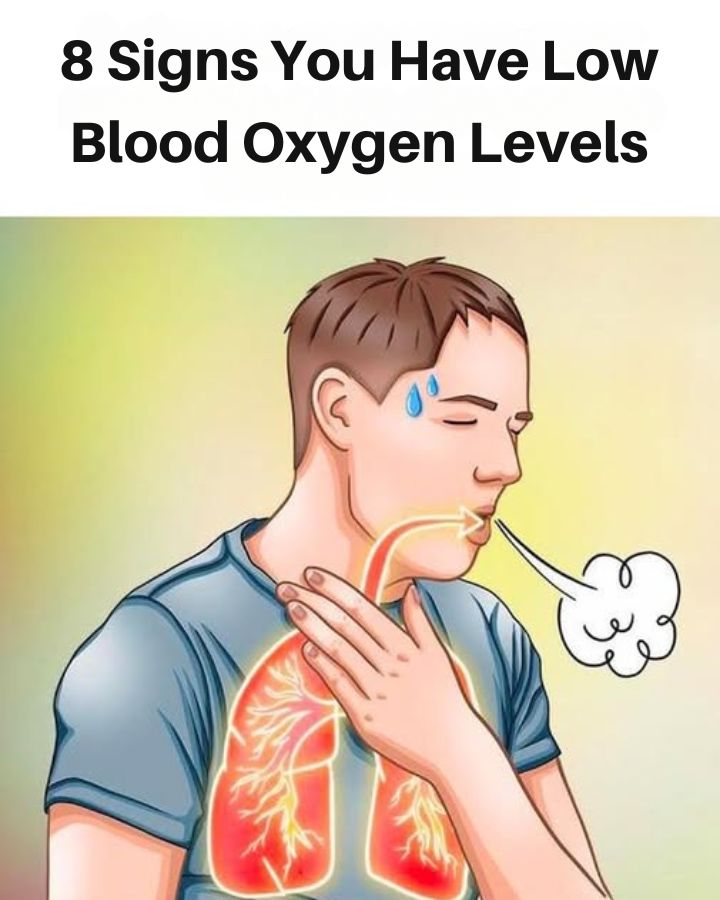
1. Include heme iron in your diet
Consume iron-rich animal products such as seafood, fatty fish, liver, and grass-fed beef. These foods also provide vitamin B12, which plays a crucial role in red blood cell production, essential for oxygen transport.
2. Cut down on refined carbohydrates
Avoid sugar, soda, and processed foods like pasta, white bread, and cookies. These items increase blood acidity and deplete antioxidants, interfering with cellular oxygenation.
3. Eat vitamin E-rich foods
Add sunflower seeds, avocados, extra virgin olive oil, hazelnuts, and leafy greens to your meals. These foods enhance heart health and improve oxygen circulation.
4. Spend time outdoors
Walk daily, preferably in green spaces, to breathe oxygen-enriched air and natural plant compounds. Outdoor activity also supports better blood flow.

5. Stay hydrated and eat antioxidant-rich berries
Drink at least one liter of mineral water daily to keep your blood fluid and aid oxygen exchange. Enjoy berries like blueberries, strawberries, and acai, or make a refreshing drink by mixing mashed berries with sea salt and sparkling mineral water.
6. Practice deep breathing exercises
Place one hand on your stomach and the other on your chest. Inhale deeply for four seconds, expanding your stomach, then exhale slowly for six seconds. This method enhances oxygen intake and helps regulate stress hormones.
Conclusion
If you notice multiple symptoms, consult a healthcare provider. A simple oximeter test can measure your oxygen levels, and readings below 92% may indicate an underlying issue. By making lifestyle adjustments, you can improve oxygen circulation and safeguard your health.
